
Environmental Field Survey

Home / Environmental field surveys

Environmental field surveys

Measure today.
Inform tomorrow.

Reliable field observations and environmental measurements for better project decisions.
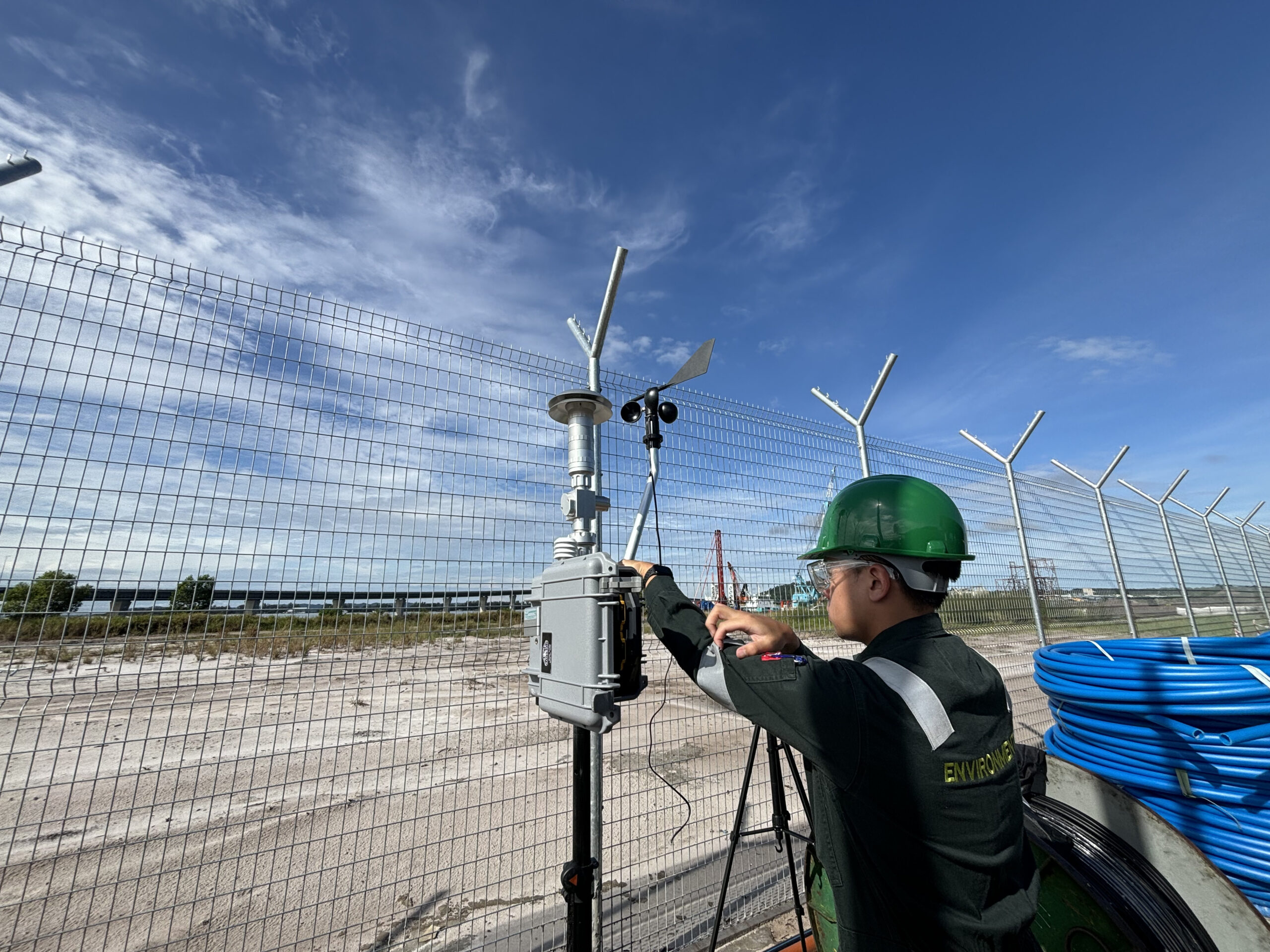
PPI technician working with environmental monitoring equipment
Our field capabilities

Understand the environment around your project.

Our surveys and monitoring cover five connected areas, providing evidence for baseline assessment, impact evaluation and ongoing environmental management.
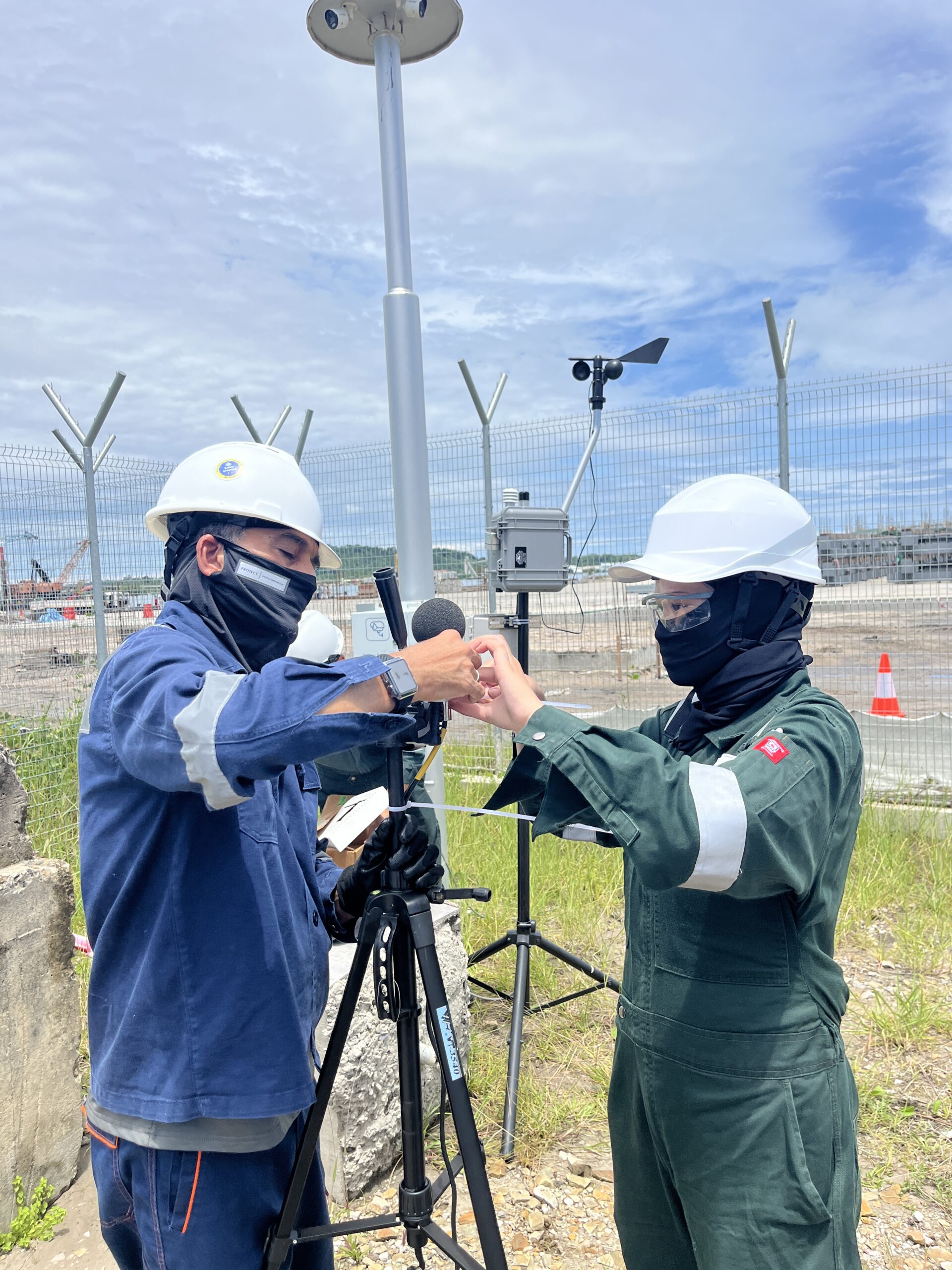
PPI personnel setting up ambient noise monitoring equipment
01 / Field capability

Noise level

Establish baseline sound conditions and assess noise emissions from project activities. Measurements support assessment against applicable boundary-noise requirements and project criteria.
Ambient noise level

Ambient level is the background sound pressure level at a given location. PPI offers ambient sound level measurement to map sound conditions over a spatial area. Ambient noise levels may also be measured to establish the baseline condition of a site or provide a reference point for analysing an intrusive sound. Measurements support compliance with the maximum permitted and recommended boundary noise levels in the Brunei Darussalam Pollution Control Guidelines.

Industrial noise emissions

PPI offers noise emission measurement in accordance with globally recognised standards such as ISO 1996 and ISO 8297, or standards required by the client. Monitoring assesses emissions and compliance against the maximum permitted and recommended boundary noise levels in the Brunei Darussalam Pollution Control Guidelines or other related directives.

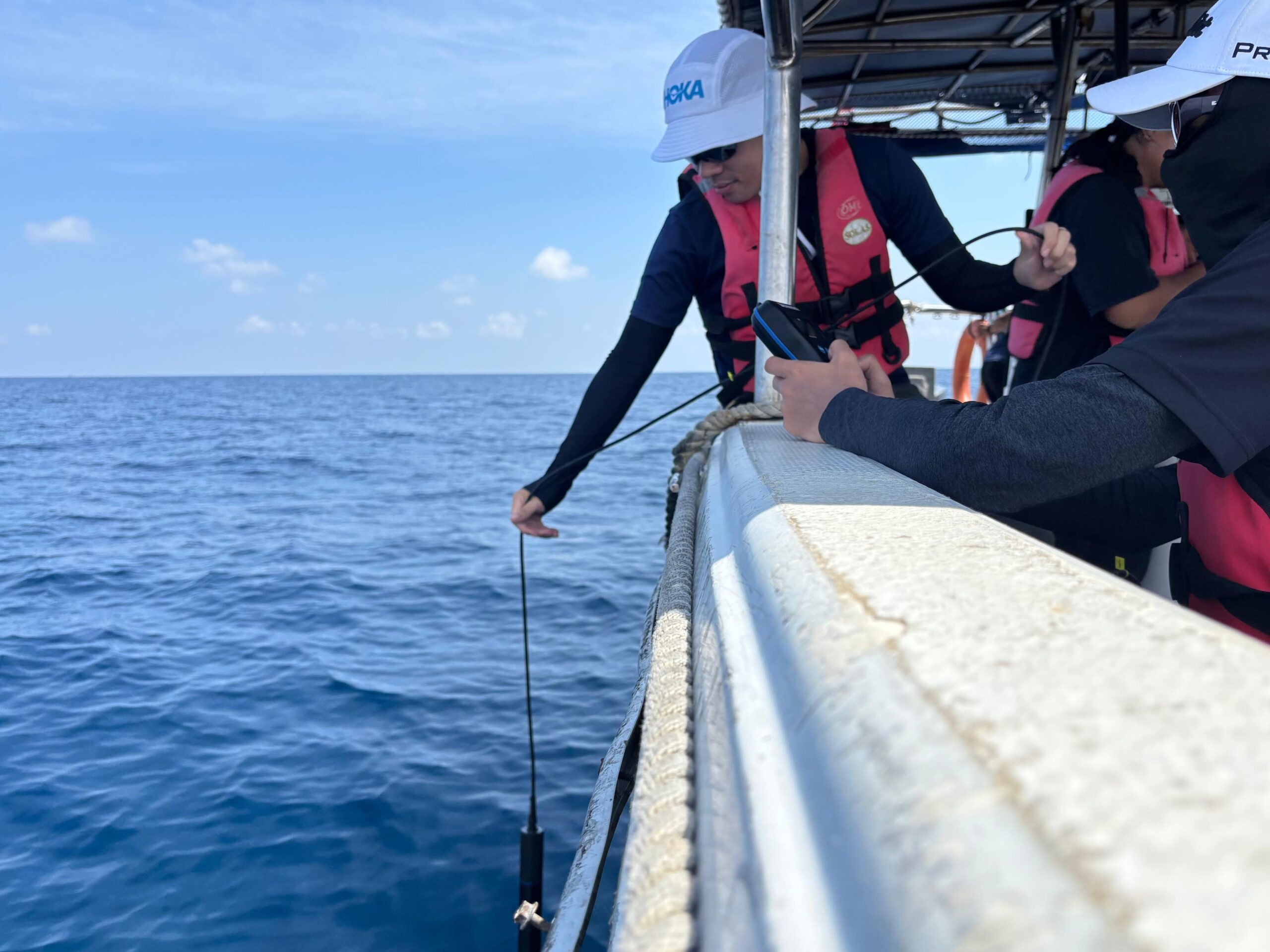
PPI personnel collecting marine water samples from a boat
02 / Field capability

Water quality

Water quality monitoring helps clients understand environmental conditions and meet relevant project requirements. Measurements can be taken in situ, with samples collected for analysis by an accredited laboratory where required.

PPI has also shared the installation of a Water Quality Monitoring System in the waters of Pulau Muara Besar.

River water

Water quality monitoring is performed by PPI with the purpose of ensuring the client’s compliance with local and international environmental regulations and standards to meet their respective project goals. Water quality can be measured in situ, or samples collected and analysed by an accredited laboratory.

Marine water

Water quality monitoring is performed by PPI with the purpose of ensuring the client’s compliance with local and international environmental regulations and standards to meet their respective project goals. Water quality can be measured in situ, or samples collected and analysed by an accredited laboratory.

Effluent discharge

Water quality monitoring is performed by PPI with the purpose of ensuring the client’s compliance with local and international environmental regulations and standards to meet their respective project goals. Water quality can be measured in situ, or samples collected and analysed by an accredited laboratory.

Wastewater

Water quality monitoring is performed by PPI with the purpose of ensuring the client’s compliance with local and international environmental regulations and standards to meet their respective project goals. Water quality can be measured in situ, or samples collected and analysed by an accredited laboratory.

Groundwater

Water quality monitoring is performed by PPI with the purpose of ensuring the client’s compliance with local and international environmental regulations and standards to meet their respective project goals. Water quality can be measured in situ, or samples collected and analysed by an accredited laboratory.

Surface water

Water quality monitoring is performed by PPI with the purpose of ensuring the client’s compliance with local and international environmental regulations and standards to meet their respective project goals. Water quality can be measured in situ, or samples collected and analysed by an accredited laboratory.

PPI technician operating ambient air monitoring instruments
03 / Field capability

Air quality

Monitor outdoor and indoor air conditions, and emissions from industrial sources. Parameters and monitoring methods are selected to suit the site, project objectives and applicable requirements.

PPI’s shared work includes ambient air monitoring station installations at Menglait, Belait, Tutong and Temburong, in collaboration with JASTRe and DeRIAlah Sdn Bhd.
Ambient air

Ambient air refers to air in outdoor environments. Ambient air monitoring determines the extent of air pollution, provides air-quality information and identifies potential pollution sources. In reference to Brunei Darussalam Air Quality Targets for 2035 (WHO guidelines), PPI offers monitoring for sulphur dioxide (SO₂), particulate matter (PM), ozone (O₃), nitrogen dioxide (NO₂), carbon monoxide (CO), total suspended particulates (TSP) and other parameters.

Indoor air

Indoor air quality monitoring gathers data on particles, gases and chemicals within and around buildings and structures. Testing covers pollutant indicators such as carbon oxides, formaldehyde, suspended particulate matter, total bacterial count, total fungal count, total volatile organic compounds and adverse odours. This identifies trends and problem areas to help preserve occupants’ health, comfort and wellbeing.

Stack emissions

Stack emissions are gases released from industrial emission points such as gas flares, boiler stacks and chimneys. If not properly regulated, these emissions can harm local air quality and the environment. Monitoring parameters can include dust particulates, heavy metals including mercury, NOx, N₂O, CO, CO₂, O₂, SO₂, volatile and semi-volatile organic compounds, and acid gases such as HCl, HF and NH₃.

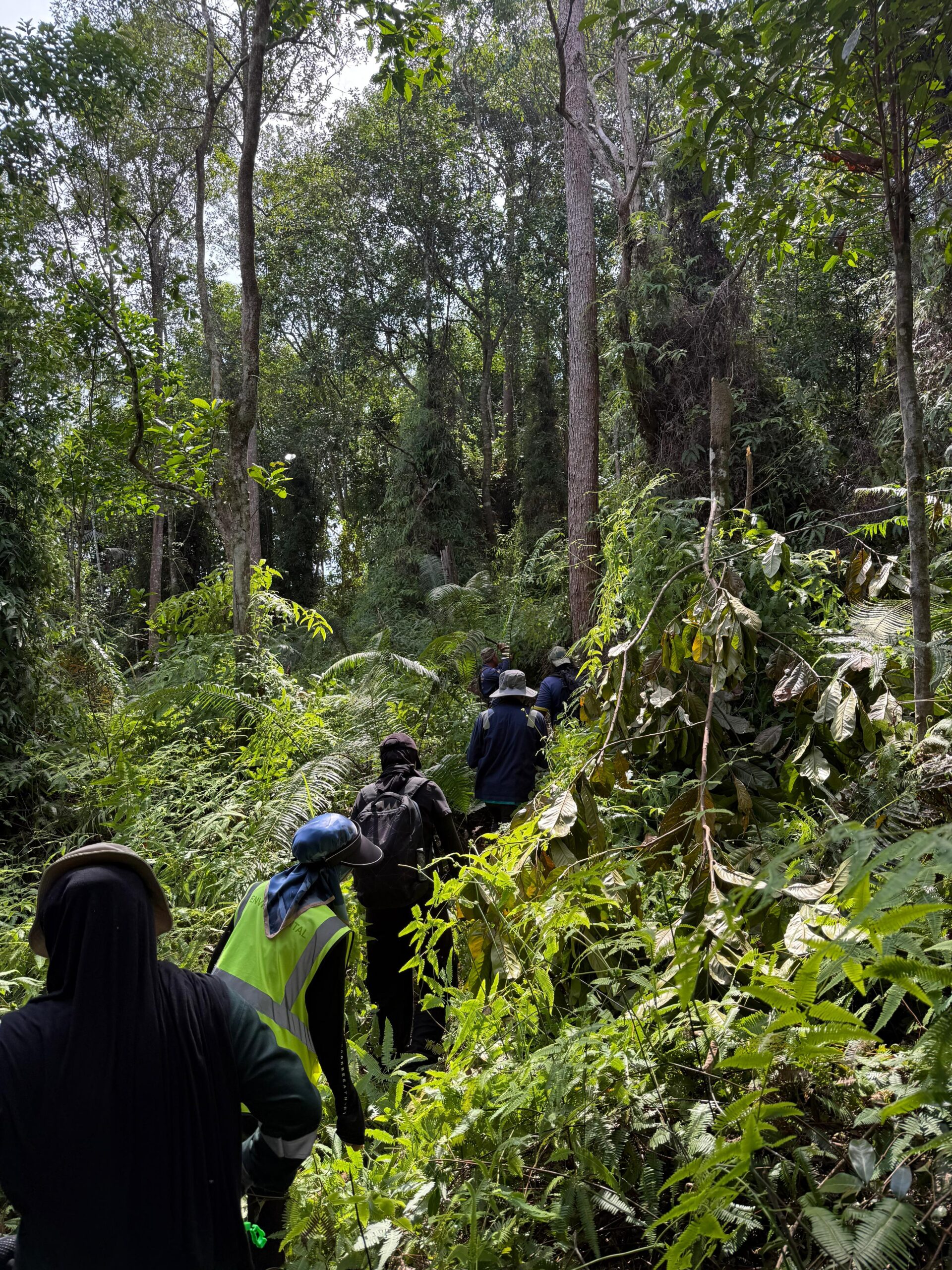
PPI field team undertaking an ecological survey in forest vegetation
04 / Field capability

Flora and fauna

Ecological and biodiversity surveys assess species and habitats that may be affected by a project. We identify potential threats and mitigation measures, covering terrestrial and marine environments as appropriate.
Terrestrial ecology

We conduct ecological and biodiversity surveys to assess flora and fauna potentially affected by project implementation. Key threats and mitigation measures are identified from potential direct and indirect impacts. Fauna surveys focus on birds, mammals, reptiles and amphibians. Flora studies include botanical surveys and analysis of land cover and vegetation, including forests, grassland and shrubs.

Marine ecology

Marine environmental surveys assess the composition and abundance of marine communities in detail, enabling assessment of potential impacts. Studies include the benthic environment, coral reefs, mangroves, fisheries, marine mammals and reptiles, seabirds, zooplankton and phytoplankton.

Vegetation and land cover

The flora survey includes a botanical survey, land-cover and vegetation-cover analysis, including forests, grassland and shrubs.

Habitat assessment

Ecological and biodiversity surveys assess flora and fauna potentially affected by a project. Key threats and subsequent mitigation measures are identified from the project’s potential direct and indirect impacts.

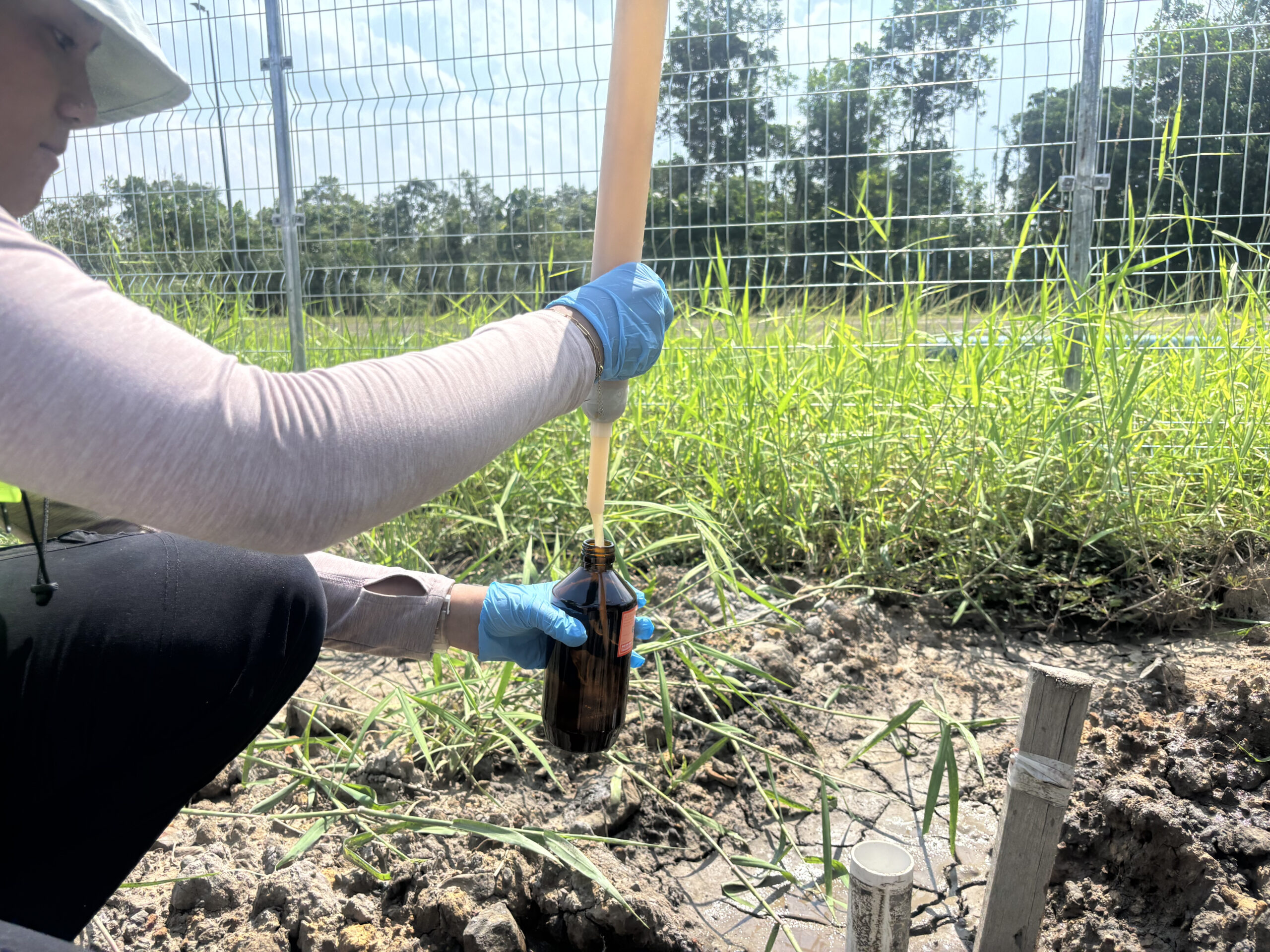
PPI personnel carrying out ground-level environmental sampling
05 / Field capability

Soil and sediment quality

Soil and sediment sampling establishes physical, chemical and biological characteristics. Results help describe baseline conditions, identify potential contamination and inform appropriate management or remediation strategies.

Marine environment

Soil and sediment sampling can determine physical characteristics such as composition and grain size, chemical characteristics such as metal content, and biological characteristics such as microbenthic invertebrates. These establish baseline environmental conditions. Monitoring can also identify potential contamination so appropriate remediation strategies can be established.

Terrestrial environment

Soil and sediment sampling can determine physical characteristics such as composition and grain size, chemical characteristics such as metal content, and biological characteristics such as microbenthic invertebrates. These establish baseline environmental conditions. Monitoring can also identify potential contamination so appropriate remediation strategies can be established.

Baseline characteristics

Soil and sediment sampling can determine physical characteristics such as composition and grain size, chemical characteristics such as metal content, and biological characteristics such as microbenthic invertebrates. These establish baseline environmental conditions. Monitoring can also identify potential contamination so appropriate remediation strategies can be established.

Contamination monitoring

Soil and sediment sampling can determine physical characteristics such as composition and grain size, chemical characteristics such as metal content, and biological characteristics such as microbenthic invertebrates. These establish baseline environmental conditions. Monitoring can also identify potential contamination so appropriate remediation strategies can be established.

In the field

Monitoring across different environments.
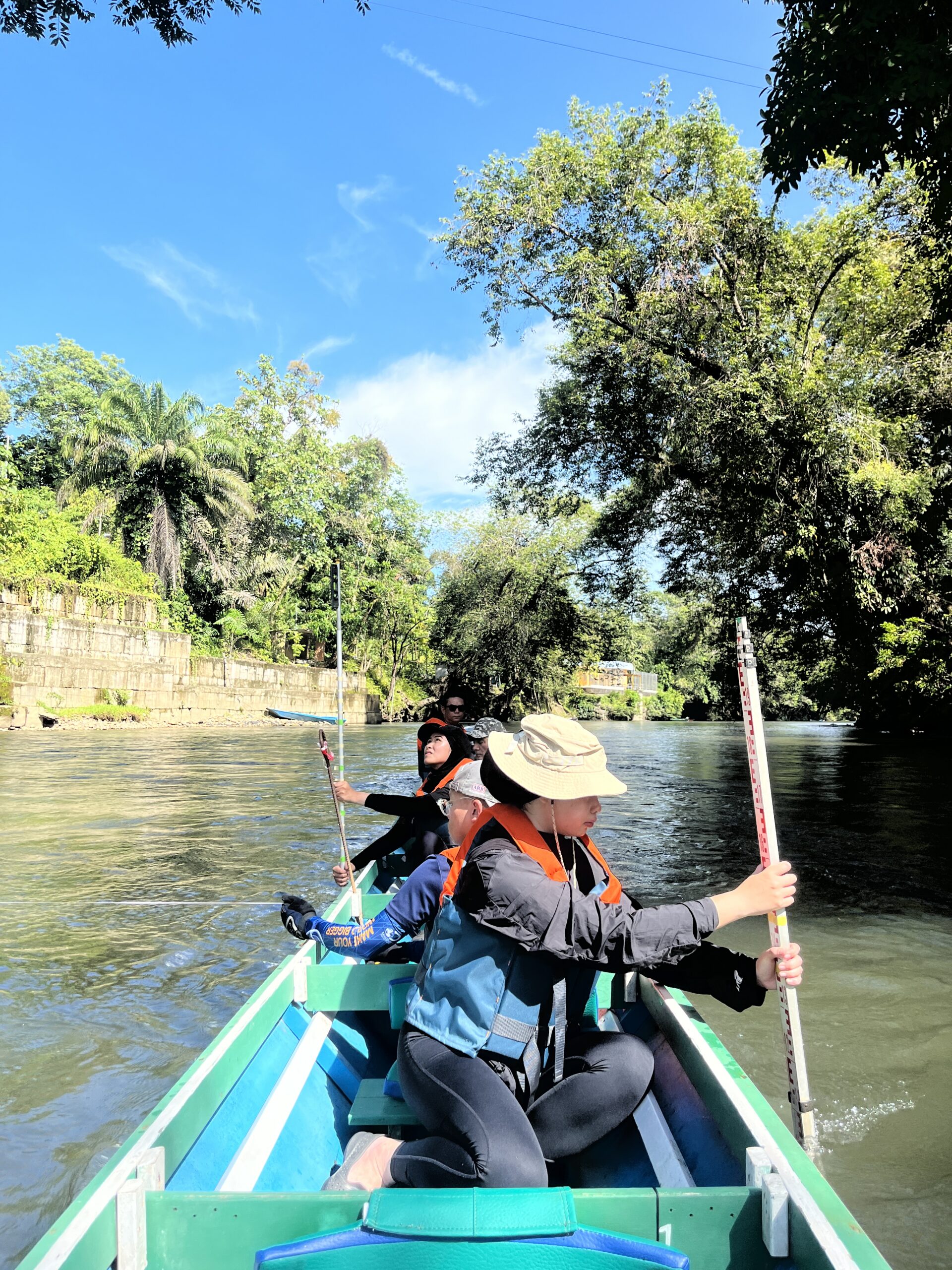
PPI personnel monitoring surface water
WATER

Surface water monitoring

Sampling and measurements to understand water conditions at project sites.
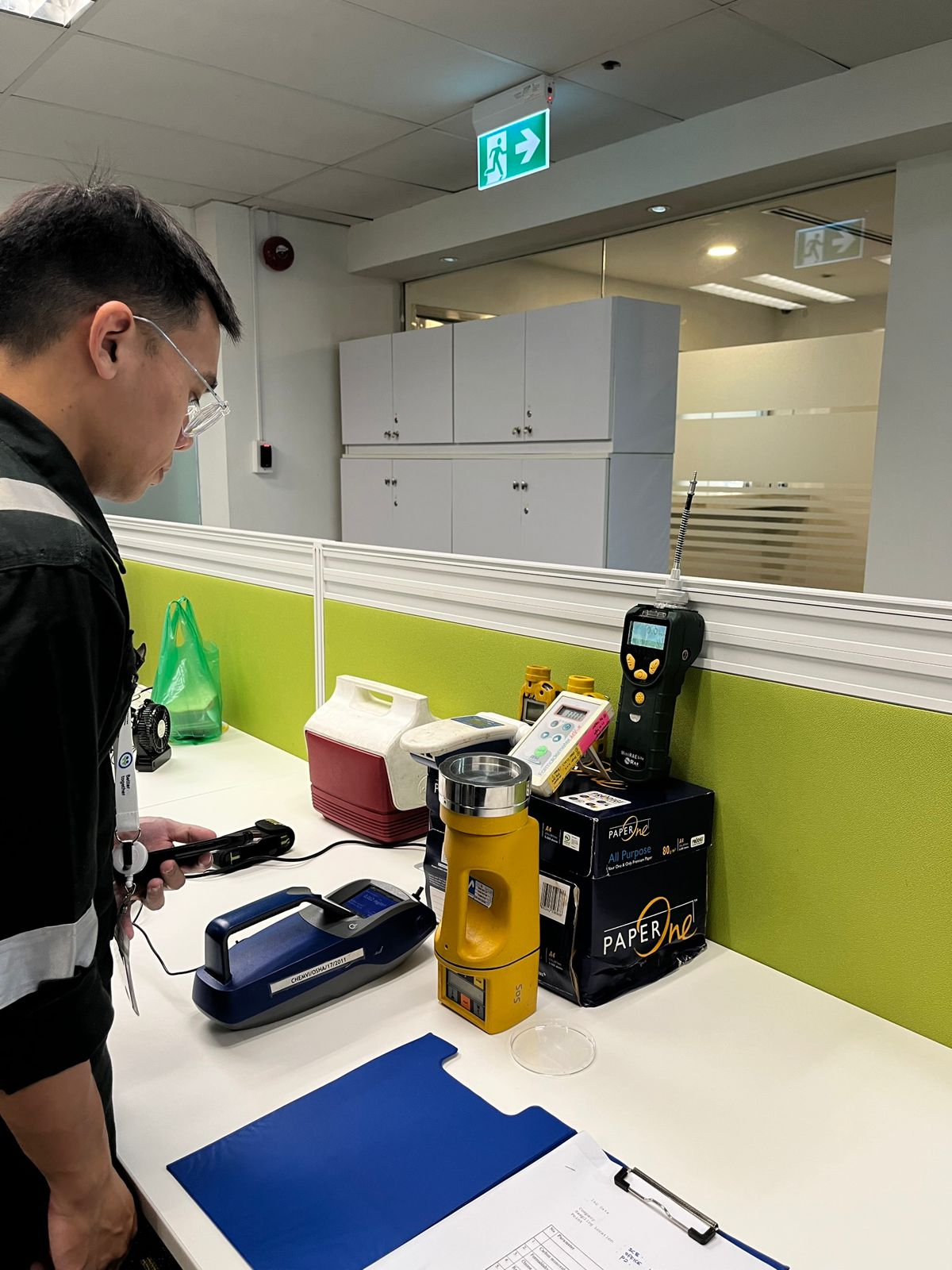
PPI personnel operating indoor air quality monitoring equipment
AIR

Indoor air quality

Monitoring pollutant indicators to understand conditions within buildings and occupied spaces.
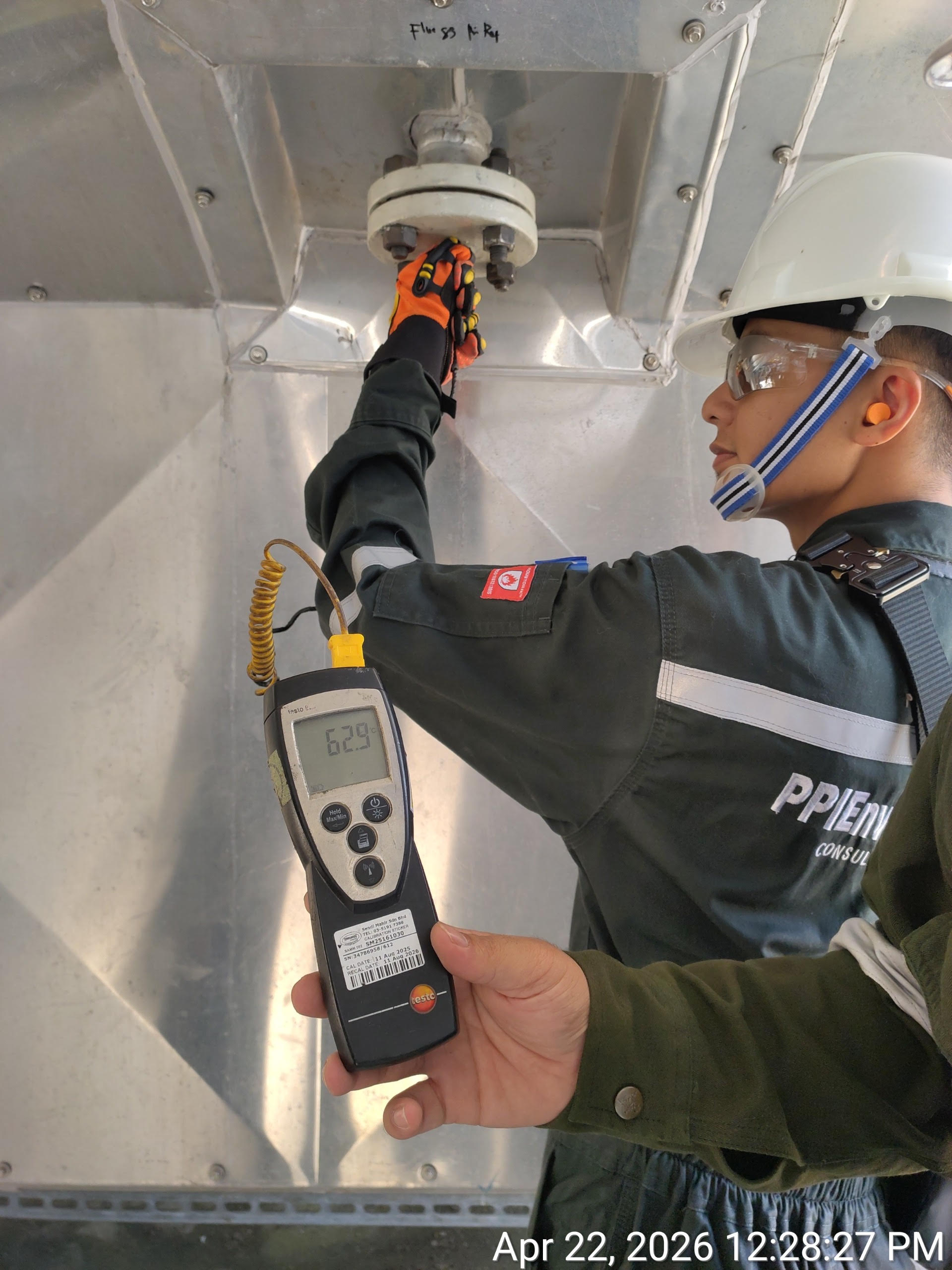
PPI personnel undertaking stack emission monitoring
AIR

Stack emission monitoring

Measurements at industrial emission points to assess relevant project parameters.

Let’s discuss your next project.

Practical advice for environmental requirements and responsible project delivery.

Get in touch →